
A battery is a vital investment if you run or own a company using forklifts. The correct battery will provide you the lifetime and consistent performance required to maintain the smooth functioning of your operations. Choosing an industrial battery may be challenging given the wide range of possibilities and the need to prioritize Ah capacity, chemistry, charge speed, cycle life, brand, cost, and more. This forklift battery tutorial takes you through the fundamentals so you can locate the battery most suitable for your particular requirements.
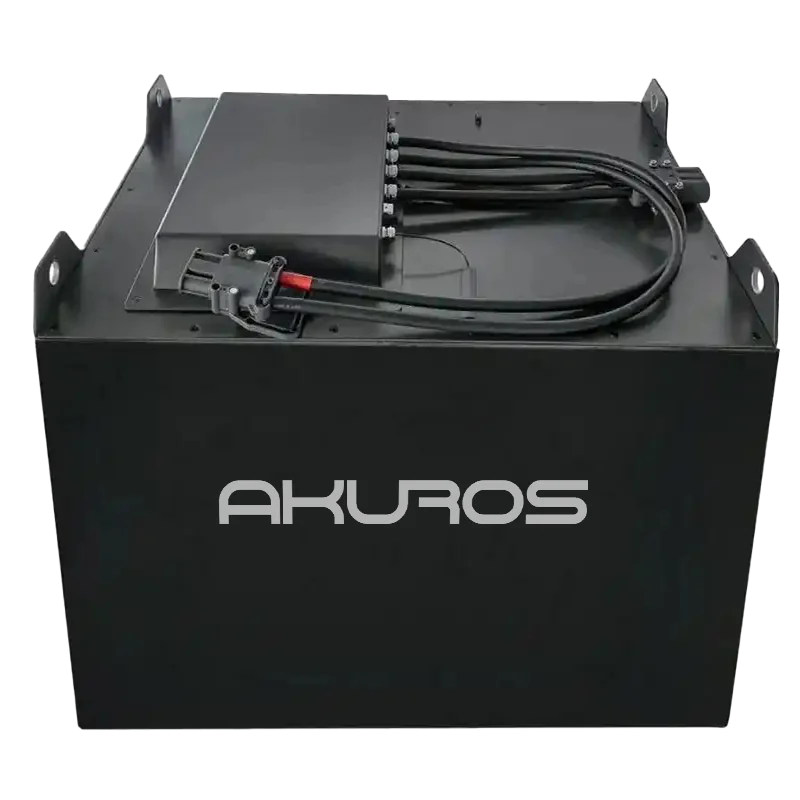
Understanding Your Forklift Brand and Specifications
Start with Your Forklift Model and Power Requirements
The power source you choose is primarily determined by your forklift’s technical specifications. As more users transition from diesel or propane-powered Class IV and V sit-down forklifts to electric Class I forklifts, the majority of forklifts today are battery-powered. Durable and high-capacity lithium-ion batteries can even handle the most demanding applications like steel, lumber, paper, and beverage handling.
Key Forklift Battery Specifications
Battery Voltage (V) and Capacity (Ah)
There are standard voltage options (12V, 24V, 36V, 48V, 72V, 80V, 122V) and a wide range of capacities (from 100Ah to 1700Ah+) available for various forklift models. For example, a 24V 200Ah battery is typically used in 4,000 lbs pallet trucks, while an 80V 535Ah battery suits sit-down counterbalance forklifts for handling loads up to 20,000 lbs.
Battery Compartment Dimensions
Forklift battery compartments are often unique in size, so finding a perfect and precise fit is critical. Also consider the connector type and its location on both the battery and truck. Some OEMs (like Akuros) provide two different compartment sizes. The CUSTOM Series lithium batteries illustrate how batteries are designed to meet the unique specs of specific equipment.
Battery Weight and Counterbalance Function
Different forklift models have recommended battery weight requirements. These must be taken into account when selecting a battery. Extra counterbalance weight is often added to the battery in heavy-duty applications to maintain forklift stability.
Lithium-ion vs Lead-acid Forklift Batteries Across Class I, II, and III
Lithium-ion for Modern Forklifts and Off-road Equipment
Lithium batteries are best suited for Class I, II, III forklifts and other electric utility vehicles like sweepers, scrubbers, tow tractors, and golf carts. Why? Compared to lead-acid, lithium-ion technology offers triple the lifespan, excellent safety, minimal maintenance, reliable performance in extreme temperatures, and high kWh energy capacity.
LFP vs NMC Chemistry
Both LFP (Lithium Iron Phosphate) and NMC (Nickel Manganese Cobalt Oxide) chemistries are used in electric forklifts. Recent tests by Sandia Laboratories showed that LFP batteries actually last longer and are more reliable than NMC.
NMC and NCA (Nickel Cobalt Aluminum Oxide) batteries are more common in passenger EVs and consumer electronics because of their lightweight and high energy density per kg. Some OEMs, such as Akuros, use NMC industrial batteries in heavy machinery like cranes and excavators.
TPPL and Other Lead-acid Variants
Until recently, lead-acid batteries were widespread in all electric forklifts. TPPL (Thin Plate Pure Lead) is an improved version with higher efficiency and faster charge rates, though it only performs better than flooded lead-acid or sealed AGM (Absorbed Glass Mat) batteries.
In most cases, lithium-ion is a more cost-effective and high-performance choice for industrial use compared to any lead-acid battery, including AGM or TPPL.
Battery-to-Forklift Communication Compatibility
CAN Bus Integration
Controller Area Network (CAN bus) enables microcontrollers and devices to communicate with each other without a host computer. Not all battery brands fully integrate with all forklift models via CAN bus. In such cases, an external Battery Discharge Indicator (BDI) can be used to provide operators with visual and audio cues on charge status and readiness.
At Akuros, we offer both options and are ready to develop CAN solutions compatible with any forklift brand and model.
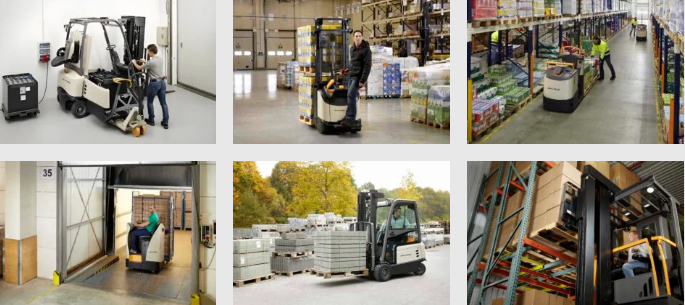
Operational and Policy Considerations for Battery Selection
1. Load Weight, Lift Height, and Travel Distance
Heavier loads, higher lifts, and longer travel routes demand more battery capacity to last an entire shift. Consider the average and maximum load weights, distance, lift height, and slope angles. Applications like paper, packaging, food, and beverage—where loads reach 15,000–20,000 lbs—require up to 1050Ah, 80V lithium batteries.
2. Forklift Attachments
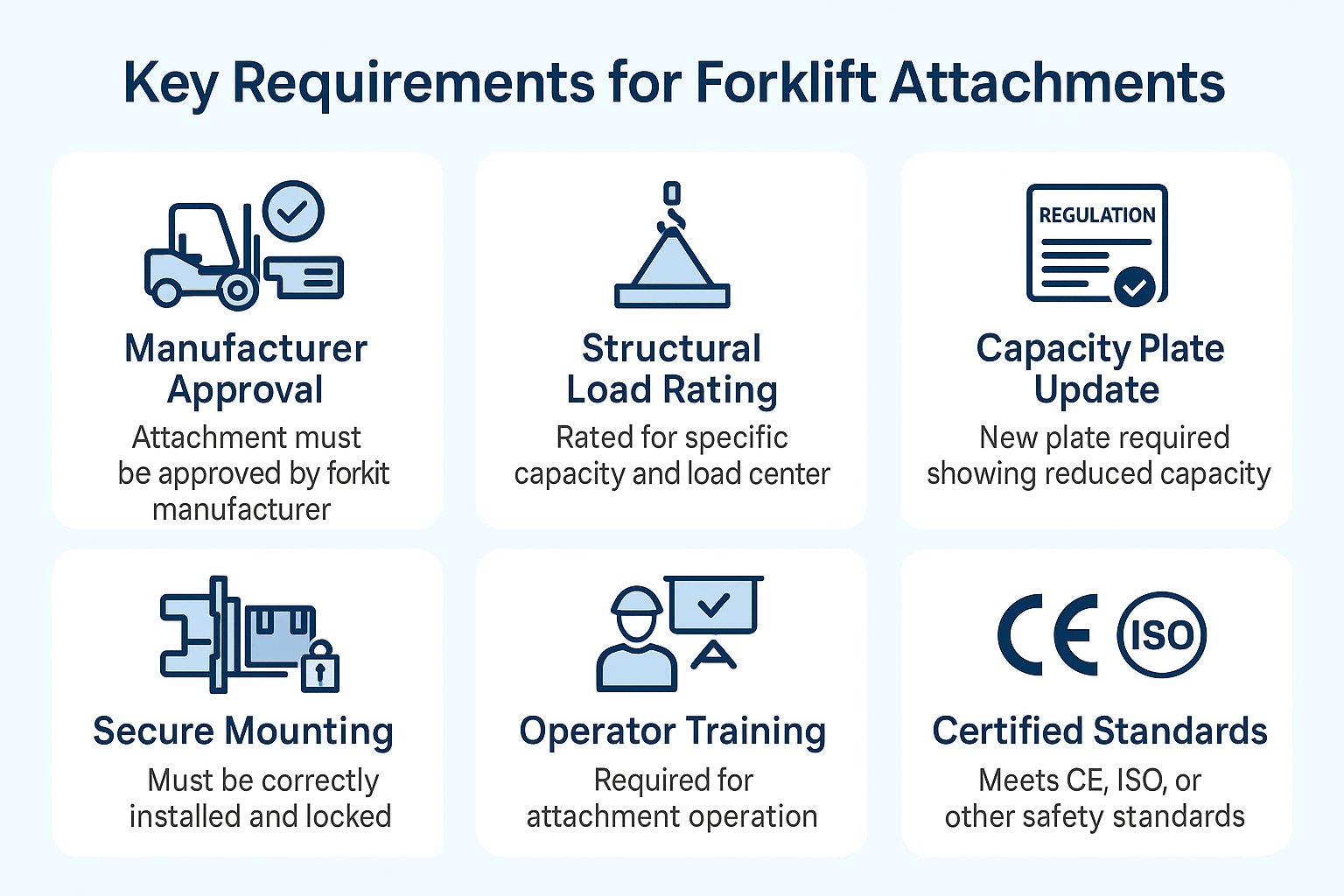
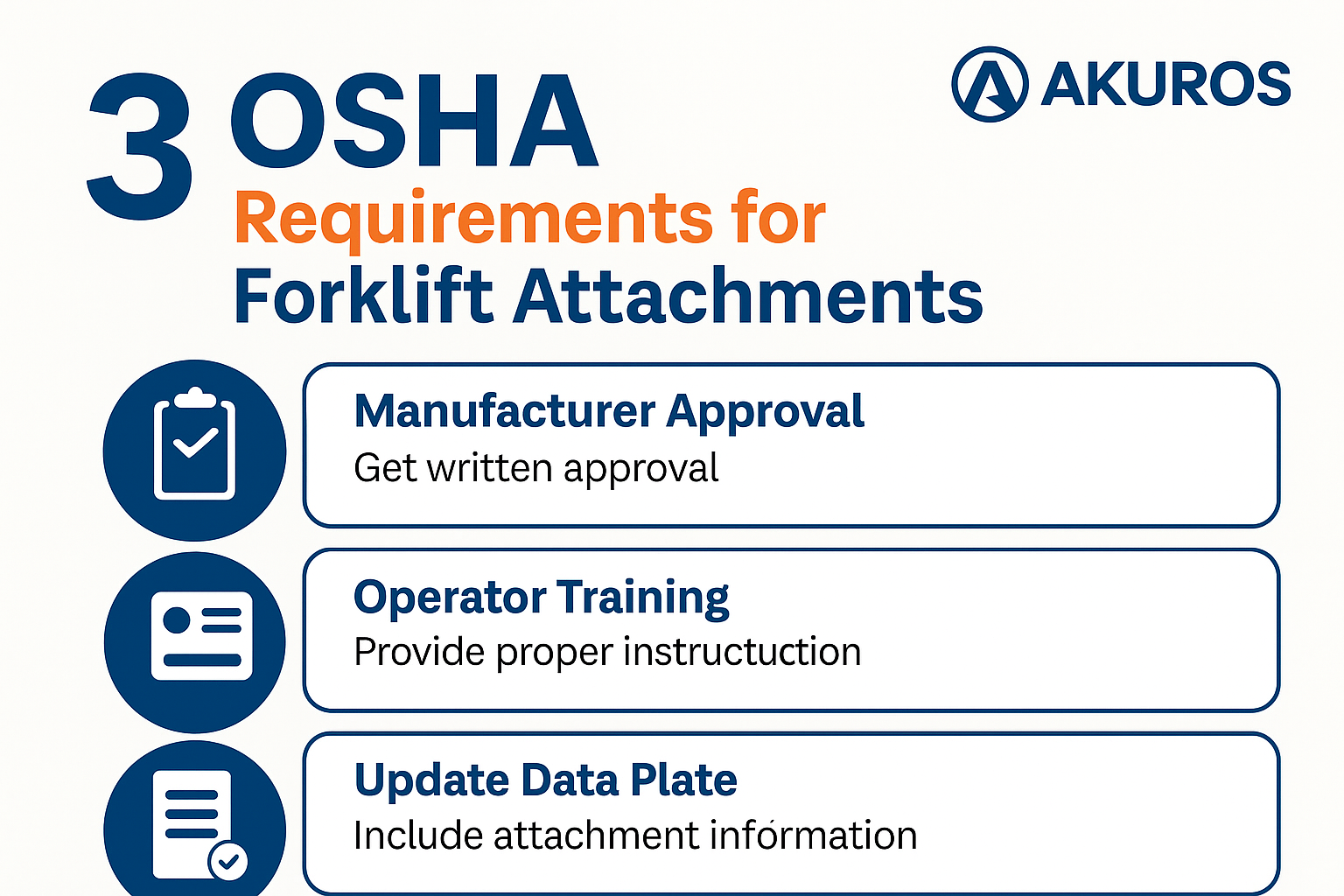
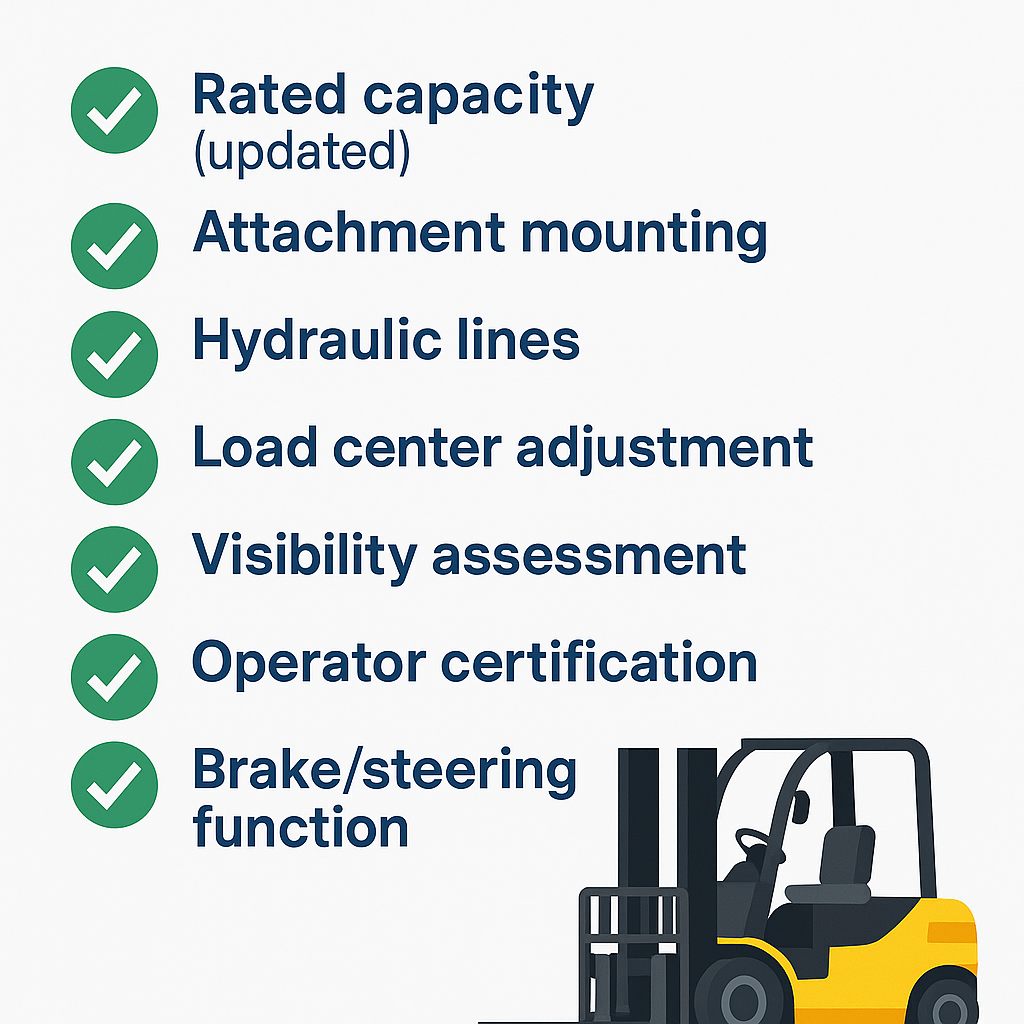
Heavy-duty attachments also increase energy requirements. Just like load weight or pallet size, hydraulic attachments such as paper roll clamps need extra “fuel in the tank,” i.e., higher battery capacity.
3. Cold Storage or Freezer Use
Will operators work in chilled or frozen environments? If so, choose forklift batteries designed for low temperatures, equipped with additional insulation and heating components (such as Akuros’ Low-Temperature Series).
4. Charging Schedule and Efficiency
Opportunity charging makes single-battery operations viable. In most cases, lithium-ion batteries can be charged during breaks, eliminating the need for mid-shift battery swaps. Multiple 15-minute breaks throughout the day are often enough to maintain charge levels above 40%, supporting optimal performance and longevity.
5. Fleet Management Data
Battery Management System (BMS) data is valuable for tracking maintenance, ensuring safety compliance, and maximizing usage. It can provide detailed information such as power consumption, charge and idle events, and key battery parameters—enhancing or replacing traditional telematics.
6. Safety and Sustainability Standards
Lithium-ion batteries are the safest industrial battery option. They eliminate hazards like acid corrosion, sulfation, and gas emissions associated with lead-acid batteries. There’s no risk of injury from swapping heavy batteries daily. This is crucial in industries like food, medical, and electronics. Plus, there’s no need for ventilated charging rooms.
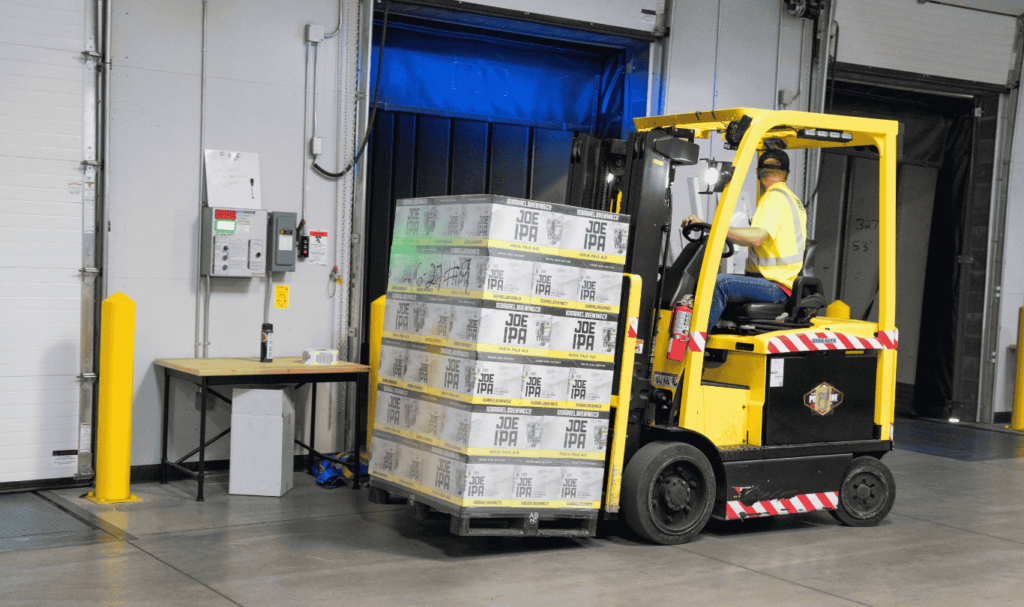
Battery Cost and Maintenance Over Time
1. Battery Maintenance Requirements
Lithium-ion batteries are maintenance-free. Lead-acid batteries require water refilling, occasional acid spill cleaning, and equalization charging. As they age, service costs and labor increase, reducing uptime and increasing operational costs.
2. Purchase Price vs Total Cost of Ownership
Lead-acid batteries and chargers are cheaper upfront. However, lithium batteries offer longer uptime, flexible charging, 3x lifespan, and lower maintenance costs. Studies show lithium can reduce total cost of ownership (TCO) by up to 40% within 2–4 years. Among lithium chemistries, LFP is more cost-efficient than NMC. Even small fleets benefit financially from switching.
3. Battery Lifespan and Replacement Frequency
Lithium batteries outlast any lead-acid option. Typical lead-acid batteries last 1,000–1,500 cycles or fewer. Lithium batteries last over 3,000 cycles, depending on use. While TPPL batteries last longer than flooded or AGM batteries, they still don’t compare to lithium’s lifespan. LFP batteries outperform NMC in longevity.
4. Battery Chargers and Charging Infrastructure
Compact lithium chargers can be placed around the facility for easy break-time charging. Lead-acid systems require dedicated, ventilated charging rooms to manage fumes and spills. Eliminating a battery room frees up valuable space for revenue-generating activities.
Choosing the Right Battery Brand and Manufacturer
When choosing a forklift battery, partner with a manufacturer that understands your industry needs. Key criteria include:
- Proven battery integration with your forklift model (CAN Bus support, physical fit)
- Range of chemistries and configurations (LFP, NMC, cold storage models)
- BMS support and fleet analytics tools
- Reliable warranty and customer service
- Capacity for custom engineering
Akuros offers customized forklift battery solutions tailored to specific applications, from warehousing and logistics to cold chain operations and heavy-duty construction. With in-house R&D and production, we ensure compatibility, safety, and maximum ROI.