
When it comes to powering a modern material‑handling fleet, the right battery technology can make or break operational efficiency. Traditional Lithium Batteries may sound like an oxymoron—after all, most warehouses have relied on lead‑acid power for decades—but the realities of today’s fast‑paced, multi‑shift environments demand more. Thanks to advances in lithium‑ion chemistry, battery management systems, and manufacturing processes, Lithium Batteries now outperform lead‑acid in nearly every category: runtime, charging speed, maintenance, safety, environmental impact, and total cost of ownership. Making the switch to lithium‑ion forklift power isn’t merely a trend; it’s a strategic imperative for businesses aiming to maximize uptime and minimize operating expenses.
In this comprehensive guide, we examine eight critical dimensions that underscore why Lithium Batteries are the best choice for forklifts. We break down the technical breakthroughs that extend operational performance, explore the rapid and flexible charging solutions that eliminate downtime, and highlight the maintenance‑free operation that frees up valuable labor. We also delve into the enhanced safety features that protect your workforce, the elimination of costly infrastructure like battery rooms, and the significant environmental benefits that align with corporate sustainability goals. Finally, we provide a clear analysis of total cost of ownership, return on investment, and the customization options available to fit any lift‑truck application. By the end, you’ll understand why leading warehouse operators around the globe are retiring their lead‑acid batteries in favor of lithium‑ion—and how your business can reap the rewards.

Lithium batteries Extended Operational Performance
One of the most compelling advantages of modern Lithium Batteries is their ability to deliver consistently high power throughout the entire discharge cycle. Lead‑acid batteries suffer from a gradual voltage drop, typically losing up to 20% of usable power before reaching a safe low‑voltage cutoff. This decline not only slows forklift travel and lift speeds but also forces premature battery swaps or shortens shift lengths. In contrast, lithium‑ion systems maintain near‑constant voltage until they approach full depletion. The result is a forklift that operates at peak performance from the first pallet pick to the last.
Beyond stable voltage, Lithium Batteries excel in cycle life. A typical lead‑acid battery withstands around 1,200 deep discharge cycles before requiring replacement, whereas lithium‑ion packs easily surpass 4,000 cycles under comparable conditions. For a busy distribution center running three 8‑hour shifts, this translates to years of reliable operation without the downtime and expense associated with frequent battery changes. Furthermore, lithium‑ion technology offers superior performance in extreme temperatures; lead‑acid capacity can plummet by up to 50% in freezer environments, but lithium‑ion degradation remains under 10% in similar conditions.
Ultimately, this extended operational performance means fewer interruptions for charging or swapping, more predictable shift planning, and a marked increase in throughput. Warehouses that switch to Lithium Batteries find that uptime—a critical KPI in material handling—soars, directly impacting productivity and customer satisfaction.
Rapid and Flexible Charging Solutions
If extended runtime is one side of the productivity coin, rapid charging is the other. Traditional lead‑acid batteries require controlled, cool‑down periods and multi‑hour “topping‐off” charges to prevent overheating and plate sulfation. These constraints force warehouse managers to maintain expensive battery rooms, schedule long breaks between shifts, or invest in large battery banks to support multi‑shift operations. Lithium Batteries eliminate these hurdles by supporting opportunity charging and ultra‐fast recharge cycles.
Modern lithium‑ion forklift batteries can charge from zero to 80% in under 60 minutes and reach full capacity in approximately two hours—without any detriment to battery life. Their integrated battery management systems (BMS) regulate cell voltage, current, and temperature in real time, allowing for aggressive charging profiles that optimize throughput without ever risking overcharge or thermal runaway. Because there is no “memory effect,” operators can plug in the forklift for a 15‑ to 20‑minute top‑up during meal breaks, shift changes, or staging periods, effectively eliminating the need to “plan around” charging windows.
Moreover, the simplicity of charging means stations can be scattered across the facility—at dock doors, staging areas, or break rooms—rather than centralized in a single battery room. This flexibility not only reduces labor spent on battery swaps but also ensures forklifts are topped up whenever idle, maximizing the time they spend moving goods. By leveraging Lithium Batteries with rapid and flexible charging, warehouses transform every downtime moment into productive potential.
Maintenance-Free Operation
Maintaining a fleet of lead‑acid batteries is a labor‑intensive endeavor. Daily watering, equalizing charges, acid spill cleanup, and periodic plate inspections consume hours of technician time each week. These tasks not only add to labor costs but also expose workers to corrosive sulfuric acid and the risk of chemical burns. In contrast, Lithium Batteries are virtually maintenance‑free. Their sealed, valve‑regulated design requires no watering, no equalization charging, and no acid handling—ever.
Because the cells are hermetically sealed, the possibility of acid spills or leaks is eliminated. The robust BMS continuously balances cell voltages, preventing overcharging and minimizing cell degradation. Warehouse staff no longer need to monitor electrolyte levels or mix battery acid, freeing them to focus on higher‑value tasks like equipment inspections, safety audits, or preventive maintenance on forklifts themselves. This streamlined approach not only reduces labor costs but also enhances workplace safety by removing hazardous chemical exposures from daily operations.
Additionally, the absence of water‑top maintenance improves cleanliness. Battery compartments stay dry, reducing corrosion on connectors and chassis components. Maintenance‑free operation is a defining feature that makes Lithium Batteries a superior choice for firms aiming to optimize resource allocation and maintain the highest safety standards.
Enhanced Safety and Worker Protection
Worker safety is paramount in any industrial setting, and forklift operations pose inherent risks—especially when handling heavy batteries. Lead‑acid batteries weigh hundreds of pounds, and swapping them requires mechanical lifts or team lifts, increasing the potential for musculoskeletal injuries. The sulfuric acid they contain can leak, causing chemical burns or corrosion damage to floors and equipment. Charging lead‑acid batteries also emits hydrogen gas, creating an explosion hazard if ventilation is inadequate.
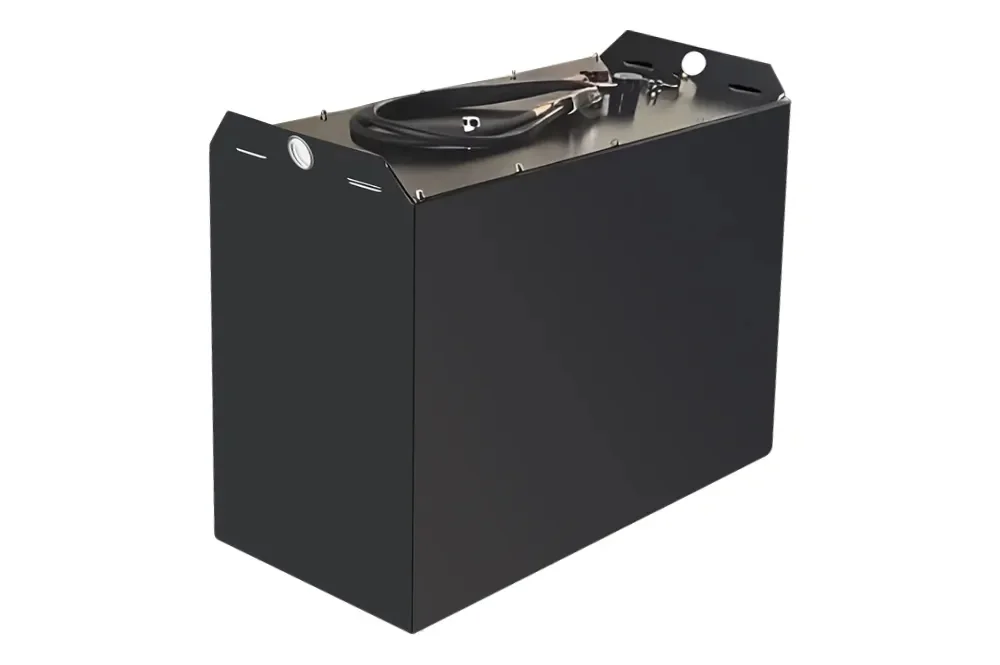
Lithium Batteries address these concerns head‑on. Weighing up to 50% less than their lead‑acid counterparts, lithium‑ion packs can often be exchanged using simple slide rails or quick‑release clamps, reducing the need for heavy lifting. Their sealed nature means no acid spills or off‑gassing—hydrogen, sulfur dioxide, and chlorine emissions are completely eliminated. Advanced BMS features such as over‑temperature cutoff, over‑current protection, and real‑time diagnostic alerts prevent thermal runaway and ensure safe operation under all conditions.
Furthermore, the reduction in battery room infrastructure—no dedicated ventilated spaces required—lowers the risk of confined‑space hazards. Forklift operators can charge their trucks in any part of the warehouse without exposing themselves or nearby coworkers to harmful fumes. By integrating Lithium Batteries, companies not only safeguard their workforce but also create a cleaner, safer environment that aligns with stringent occupational health regulations.
Elimination of Battery Rooms and Infrastructure
The traditional lead‑acid workflow mandates the existence of a specialized battery room outfitted with ventilation systems, acid‑resistant flooring, spill containment, and climate control. This infrastructure comes with high installation costs, ongoing utility expenses, and significant space consumption—square footage that could otherwise be used for storage or production. High quality Lithium Batteries dismantle this requirement entirely.
Because lithium‑ion packs do not emit dangerous gases or require water‑top maintenance, they can be charged in open areas, at dock doors, or even inside forklifts attached to the truck. The opportunity‑charging model means fewer spare batteries are needed, further reducing storage demands. Warehouses can reclaim valuable real estate and eliminate the capital and operational costs associated with battery room construction, HVAC maintenance, and safety compliance inspections.
In addition, the simplified charging infrastructure—standard wall outlets or compact fast‑chargers—lowers upfront investment and simplifies installation. Companies can deploy multiple charge points without engineering complex ventilation or drainage systems. By removing the traditional battery room footprint, Lithium Batteries offer a leaner, more cost‑effective solution that enhances facility utilization and reduces long‑term overhead.
Environmental Benefits and Sustainability
As organizations worldwide commit to reducing carbon footprints and embracing sustainable practices, Lithium Batteries emerge as a clear environmental winner. Compared to lead‑acid technology, lithium‑ion packs are up to 30% more energy‑efficient. They convert a higher percentage of grid energy into usable lift‑truck power, resulting in lower electricity consumption and reduced greenhouse gas emissions over the battery’s lifetime.
Additionally, the extended cycle life of Lithium Batteries means fewer battery manufacturing events, less raw material extraction, and diminished waste. At end‑of‑life, lithium‑ion cells are highly recyclable: metals such as cobalt, nickel, and manganese can be recovered and reintroduced into new batteries. In many cases, cells are repurposed for secondary energy storage applications—such as backup power for renewable installations—before entering recycling streams.
By switching to lithium‑ion forklift power, businesses demonstrate leadership in environmental stewardship. They minimize hazardous waste disposal requirements tied to lead sludge and acid neutralization, comply more easily with evolving environmental regulations, and contribute to a circular economy where materials are kept in use for as long as possible.
Total Cost of Ownership and Return on Investment
While Lithium Batteries often carry a higher initial purchase price than lead‑acid alternatives, the total cost of ownership (TCO) paints a dramatically different picture. When factoring in energy savings, maintenance labor reductions, infrastructure cost avoidance, and extended battery life, companies typically realize a 20–40% lower TCO. Many operations see positive ROI within 12 to 18 months of deployment.
Energy expenditure drops thanks to superior charge–discharge efficiency and opportunity charging, which maximizes off‑peak electricity rates. Labor costs plummet with the elimination of watering and battery swaps, freeing technicians to focus on preventive maintenance and equipment uptime. Avoided capital expenses—for battery rooms, spare battery fleets, and forklift tow motors—further accelerate payback.
Moreover, the consistent performance of Lithium Batteries reduces downtime associated with unexpected battery failures. Improved shift coverage and predictable charging schedules translate into measurable throughput gains and customer service improvements. When evaluating lifecycle costs, lithium‑ion forklift power emerges as the financially sound choice for forward‑thinking businesses.
Versatility, Customization, and Integration
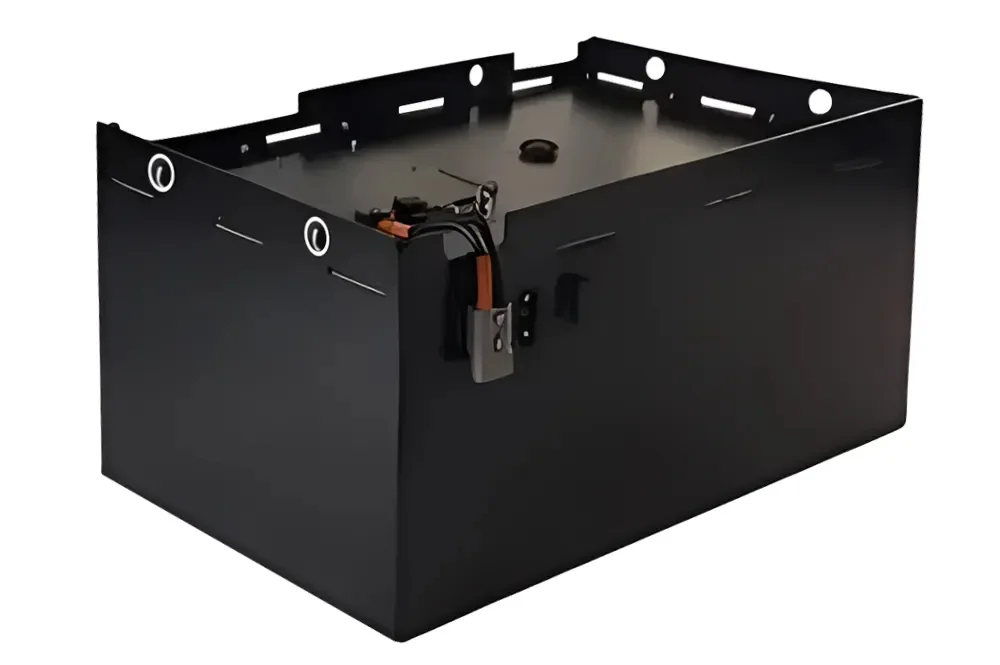
No two forklift fleets are identical—warehouses differ in layout, climate, shift patterns, and lift‑truck models. Lithium Batteries shine in their versatility and adaptability. Leading manufacturers offer modular battery packs that can be tailored to specific voltage, capacity, and form‑factor requirements, ensuring seamless integration with nearly any make or model of electric forklift.
Advanced battery management systems provide real‑time data on state of charge, health, and usage patterns. These diagnostics can integrate with fleet management software, enabling remote monitoring, predictive maintenance alerts, and optimized charging schedules. Some providers even offer turnkey services where spent batteries are collected, refurbished, or recycled at no additional cost—streamlining end‑of‑life management.
For specialized applications—such as cold‑storage, food processing, or hazardous environments—customized Lithium Batteries with insulation, heating elements, or explosion‑proof housings are available. This level of customization ensures that every forklift can leverage the advantages of lithium‑ion technology, regardless of operational constraints.
In embracing Lithium Batteries, businesses gain a flexible, scalable solution that supports current needs and accommodates future growth. Whether optimizing a single truck in a regional warehouse or electrifying an entire global distribution network, lithium‑ion forklift power delivers unmatched performance and reliability.
The era of lead‑acid domination is drawing to a close. As warehouses evolve to meet higher throughput demands and stricter environmental standards, Lithium Batteries provide the power, safety, and sustainability required for modern operations. By extending runtimes, enabling rapid charging, eliminating maintenance burdens, and reducing overhead infrastructure, lithium‑ion technology drives productivity while lowering total cost of ownership. Forward‑thinking businesses that adopt lithium‑ion forklift power position themselves at the forefront of efficiency and environmental stewardship—ensuring they stay competitive in an increasingly demanding marketplace.For example: “Want to learn more about Lithium batteries purchasing information? Contact us now to get a quote!”