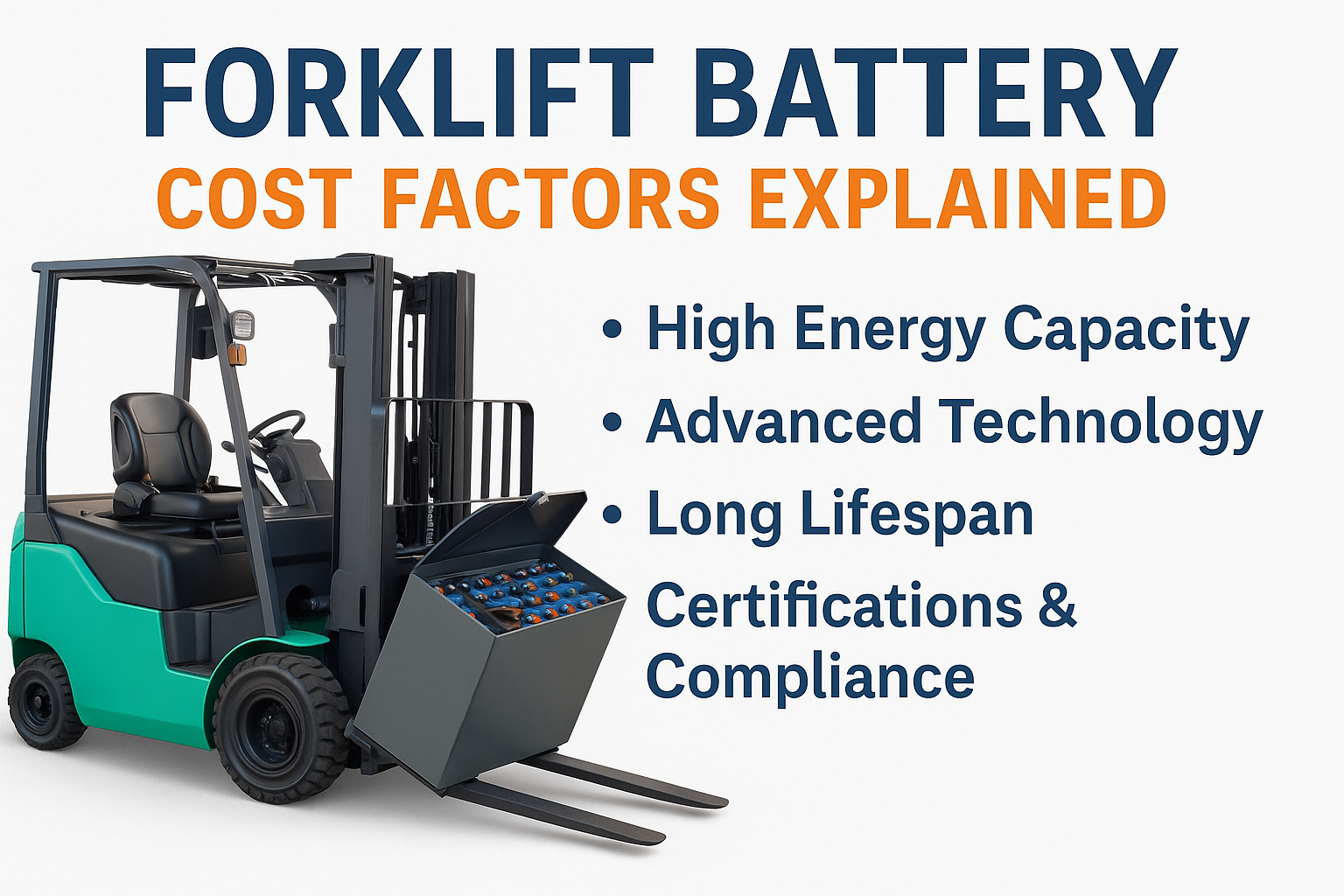
Forklift batteries are a major investment—often costing thousands of dollars per unit. If you’ve ever wondered “Why are forklift batteries so expensive?”, you’re not alone. Whether you’re operating a small warehouse or a large distribution center, understanding the cost drivers behind these power sources is key to making informed decisions.
In this article, we’ll break down the factors that influence forklift battery prices, the difference between battery types, and why they’re ultimately worth the investment.
⚙️ What Makes Forklift Batteries So Expensive?
1. High Energy Capacity
Forklift batteries are deep-cycle, industrial-grade batteries designed to deliver sustained power over many hours of operation. This requires:
- Large amounts of high-quality lead (for lead-acid batteries)
- Advanced lithium-ion cells and battery management systems (BMS)
The materials and engineering required to handle heavy-duty applications naturally raise the cost.
2. Advanced Technology & Safety Systems
Lithium-ion forklift batteries, in particular, come equipped with smart features such as:
- Built-in BMS to monitor temperature, voltage, and performance
- Fast-charging capabilities
- Protection against overcharging, short circuits, and thermal runaway
These technologies increase manufacturing complexity and cost but also boost lifespan and safety.
3. Long Lifespan
A forklift battery isn’t a short-term purchase. Most units are designed to last:
- 1,200–1,500 cycles for lead-acid
- 3,000–5,000+ cycles for lithium-ion
This longevity means you’re paying more upfront for a power source that could last 5–10 years, especially with lithium options.
4. Custom Voltage and Capacity
Forklift batteries aren’t “one size fits all.” They’re often:
- Custom-sized to fit specific forklift models
- Made with precise voltage and amp-hour configurations (e.g., 24V, 48V, 80V)
Customization and specialized production naturally lead to higher costs compared to standard vehicle batteries.
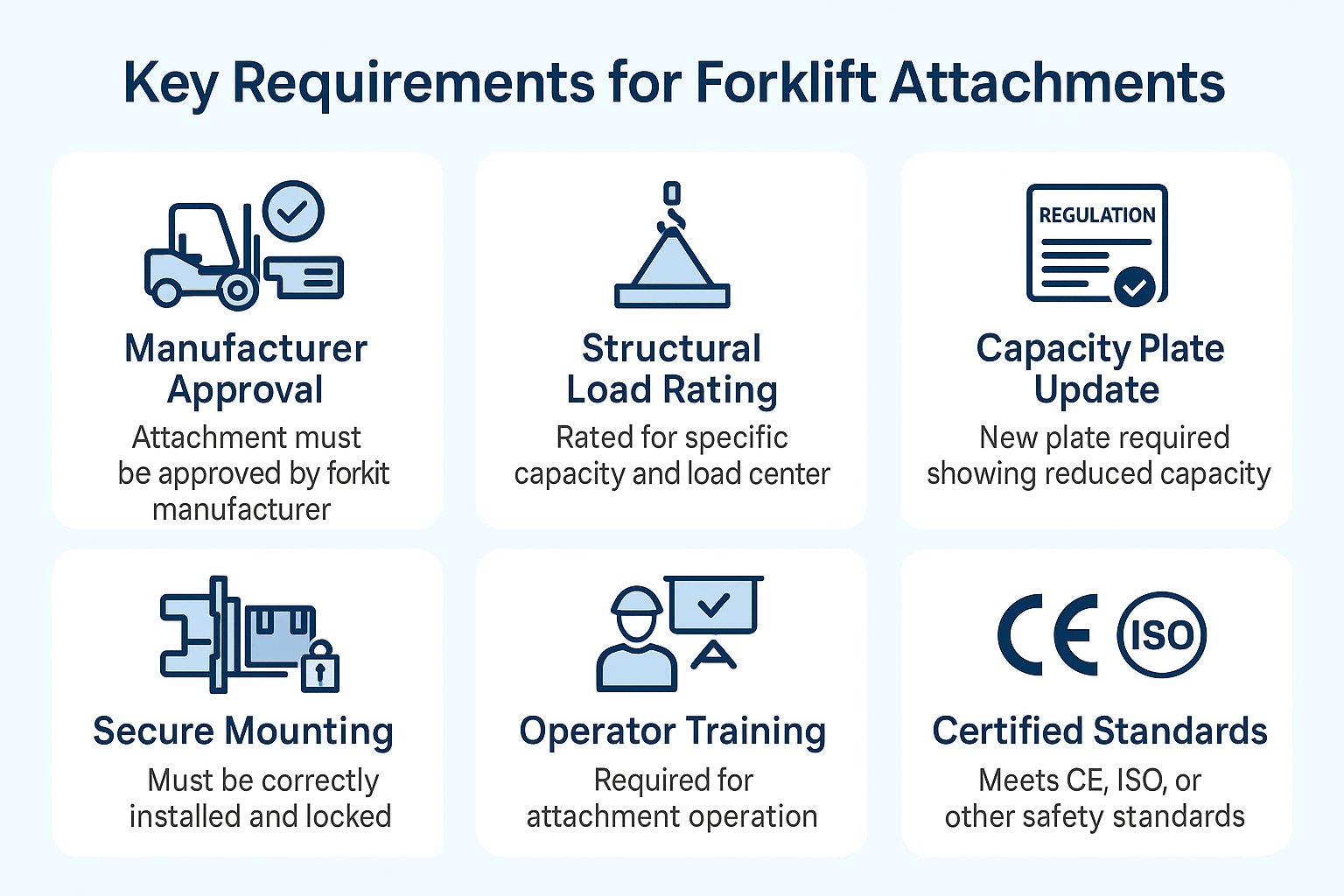
5. Certifications and Compliance
Industrial batteries must meet stringent international safety and transportation standards:
- CE, UL, UN38.3, and ISO certifications
- Compliant packaging for hazardous material shipping
- Mandatory testing and inspection
These quality assurance processes add to both time and production cost.
💡 Lithium vs. Lead-Acid: Cost Breakdown
| Feature | Lead-Acid Battery | Lithium-Ion Battery |
|---|---|---|
| Initial Price | $3,000 – $8,000 | $6,000 – $20,000+ |
| Charging Time | 6–10 hours | 1–2 hours |
| Maintenance | High (watering, cleaning) | None |
| Lifespan | 3–5 years | 5–10 years |
| Total Cost of Ownership | Higher | Lower (over time) |
🏭 Who Pays the Price?
Industries using forklifts across multiple shifts, in cold storage, or with automation systems often turn to high-end lithium batteries for the long-term ROI. While the upfront cost is higher, the payoff comes in:
- Reduced downtime
- Lower maintenance costs
- Energy savings
- Fewer battery replacements
🏁 Conclusion
So, why are forklift batteries so expensive? It comes down to energy capacity, custom design, smart technology, and industrial-grade durability. While the price tag may seem high, a quality forklift battery is a long-term asset that ensures operational reliability and performance.
🚀 Looking to Upgrade?
Akuros specializes in CE- and UL-certified lithium forklift batteries that deliver power, efficiency, and longevity—designed for global material handling professionals.
📞 Contact us today for a custom quote or expert consultation.